Principles on which we run.
They are rules we have written together, subject to updates.
They dictate how we act, especially in face of problems.
Experiment persistently
We test our ideas in small-scale experiments, gathering data and feedback along the way. We analyze the results, refine our approach, and repeat the process.
Teach to learn
When you consume information you learn, you learn to efficiently consume information, you train the neuronal pathways that are bringing information IN. To really learn, in a way that makes you able. You need to strengthen the neuronal pathways that are used during recall of information. To do that you need to teach others, write, or put the learned knowledge into practice.
Write to think
Writing requires us to articulate our thoughts in a clear and coherent manner. This process of putting our thoughts on paper helps to solidify our understanding of a topic and identify any gaps or inconsistencies in our thinking. By writing down our ideas, we are able to see them more objectively and with greater clarity.

Venture into unknown
In today's age we hardly know anything that is still relevant. All we learned was great in the past. To act effectively, everyone needs to conquer their fear of the unknown. We love the unknown so much, we even made a brand out of it – take a look: intounknown.com

Visit the balcony
Visiting the Balcony is a metaphorical exercise where we imagine ourselves stepping back from a situation and viewing it from a broader perspective. This allows us to gain a better understanding of the situation and the dynamics at play, as well as to assess our own reactions and behavior.
When in the midst of a difficult or complex situation, it is easy to skick to our own perspective. We may become reactive or defensive, or lose sight of the bigger picture. Visiting the Balcony allows us to take a more objective view, to see the situation from multiple angles, and to better understand the needs and concerns of all parties.
To Visit the Balcony, we may physically step back from a situation, or we may simply take a few deep breaths and mentally distance ourselves. We ask ourselves questions like: What is really going on here? What are the underlying concerns and motivations of all parties involved? What can I do to address the situation in a constructive way?
Disprove doubters
The desire to disprove doubters can ignite a fire that propels forward. It gives us the drive and determination we need to overcome obstacles and persevere through challenges.
Furthermore, the act of disproving doubters can be incredibly rewarding. There is a sense of satisfaction that comes from achieving something that others thought was impossible. It can be a source of validation and confidence, proving to ourselves and others that we are capable of greatness.
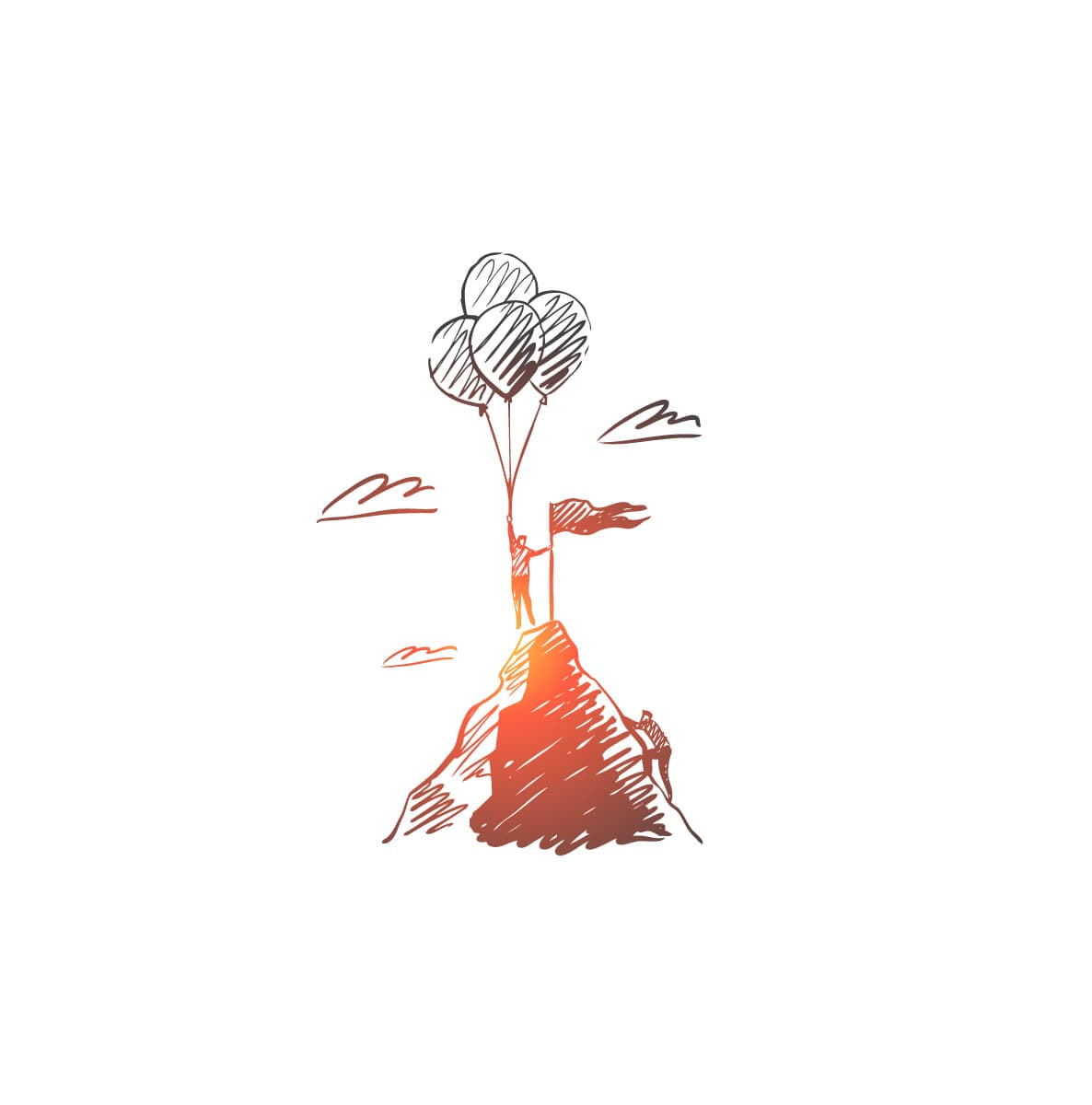
Be precise in thy speech
The desire to disprove doubters can ignite a fire that propels forward. It gives us the drive and determination we need to overcome obstacles and persevere through challenges.
Furthermore, the act of disproving doubters can be incredibly rewarding. There is a sense of satisfaction that comes from achieving something that others thought was impossible. It can be a source of validation and confidence, proving to ourselves and others that we are capable of greatness.
Pursue truth
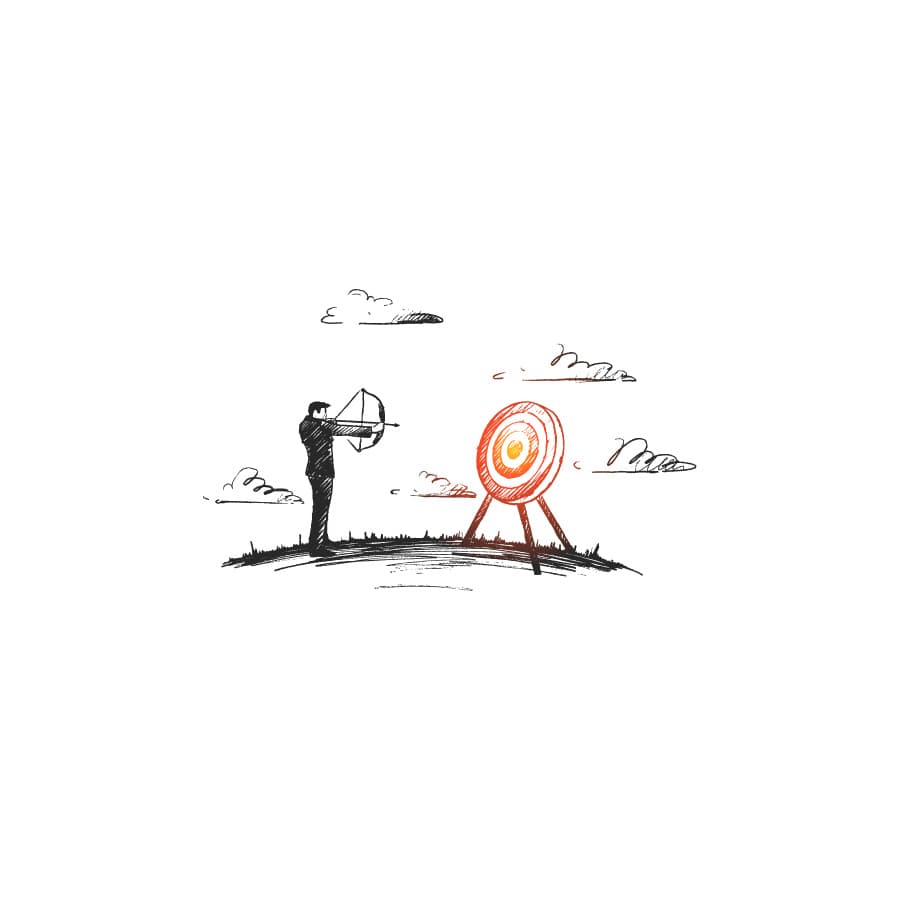
Finding truth is the objective of everything we do. Any knowledge is better than misinformation.
Plan, then act
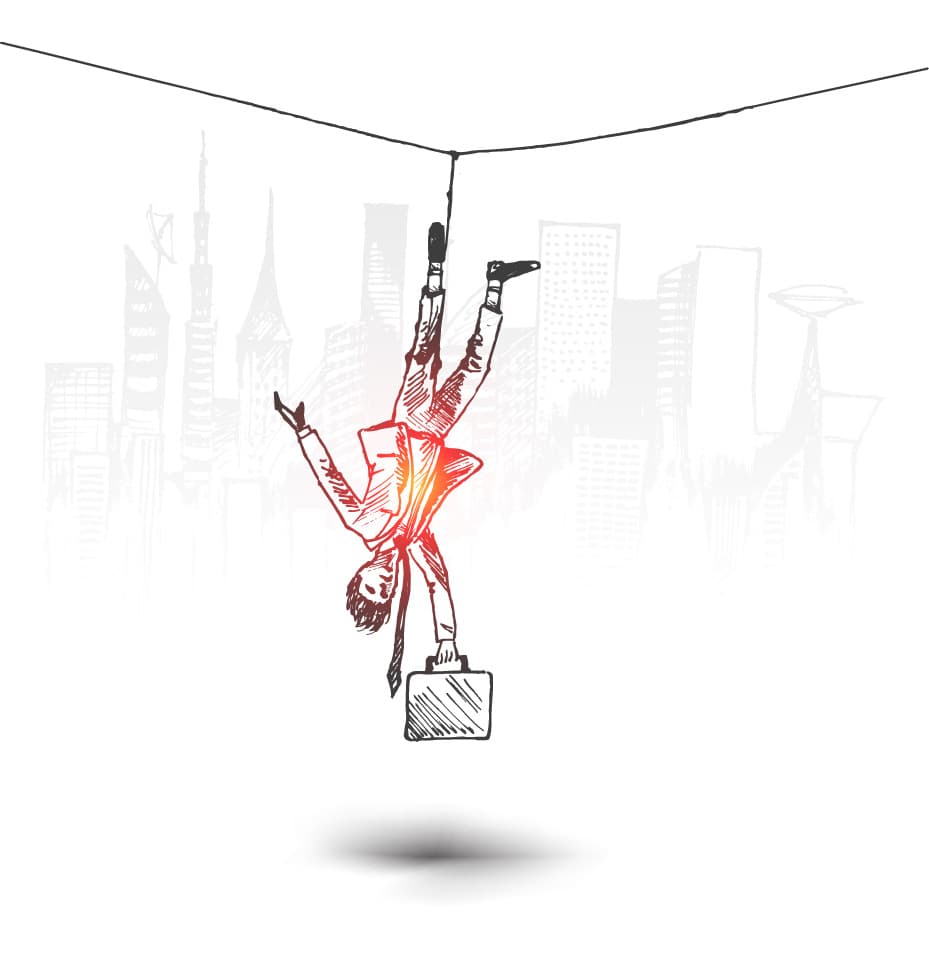
We plan our work. Then we do it.
Unlearn
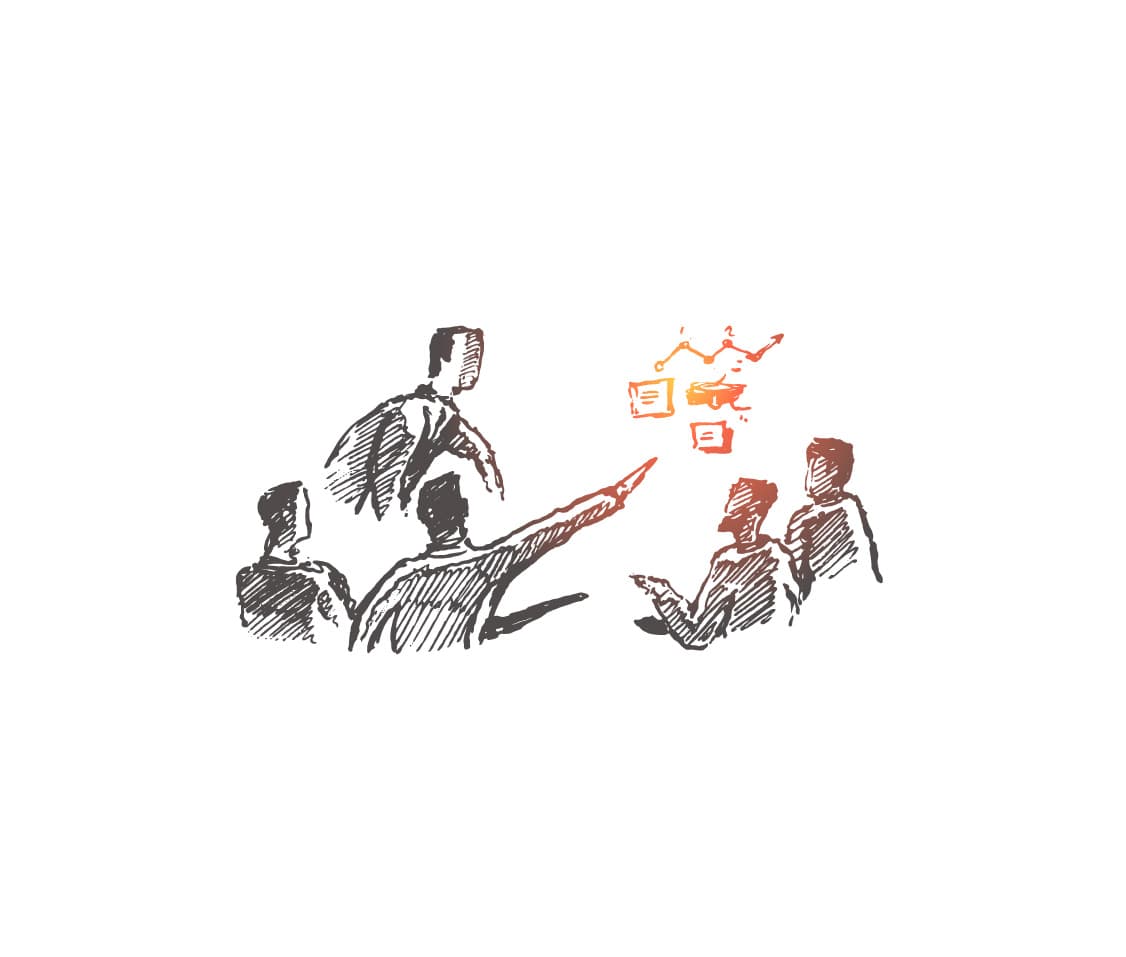
We're ready to change our minds when evidence suggests it.
Listen
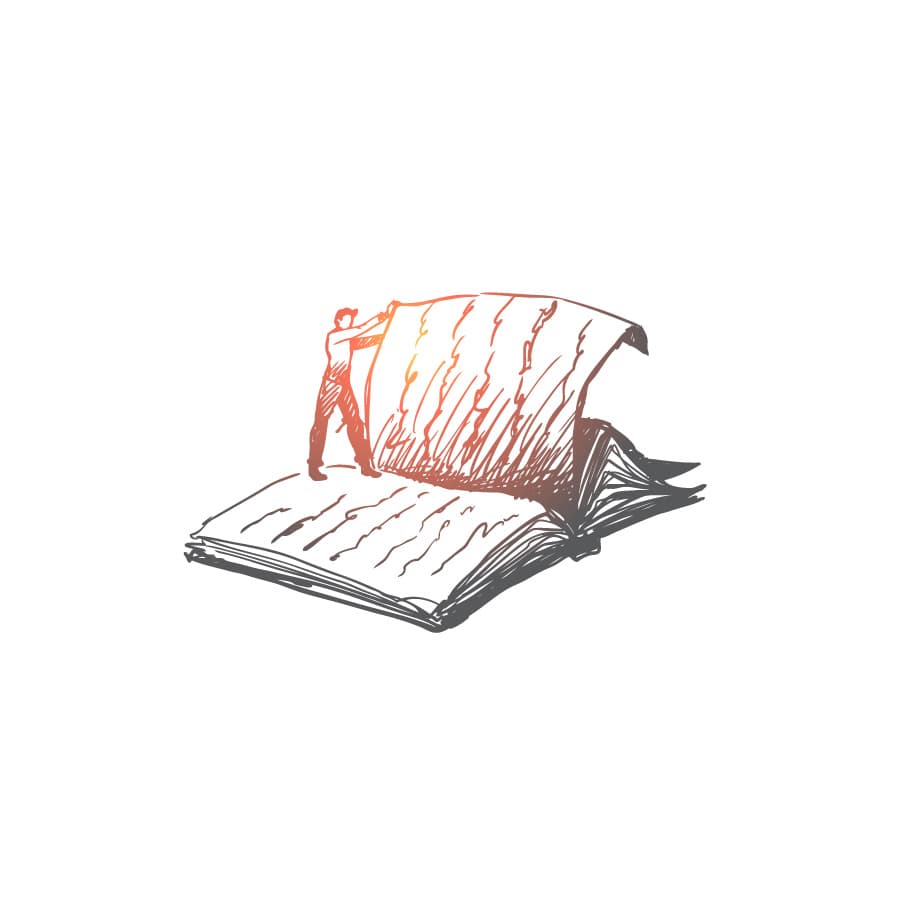
We actively listen to understand.
Dance
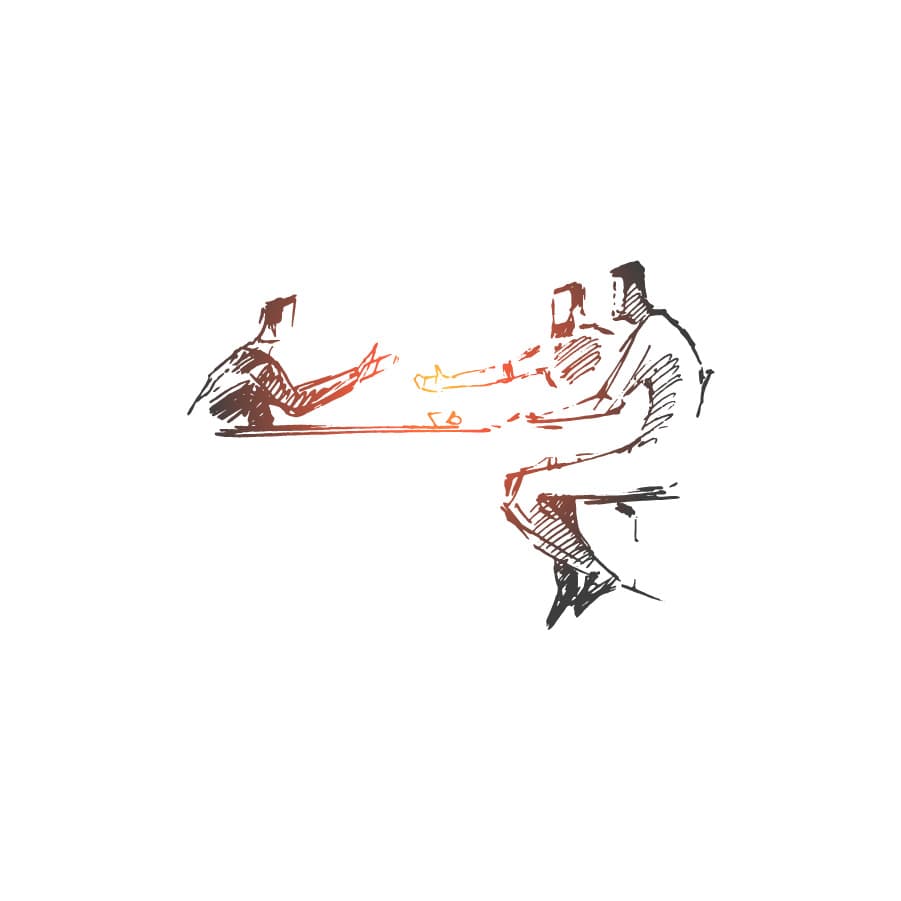
We choose joy.

Detach
We keep perspective.

Play
We keep curiosity alive.
Make mistakes, learn fast
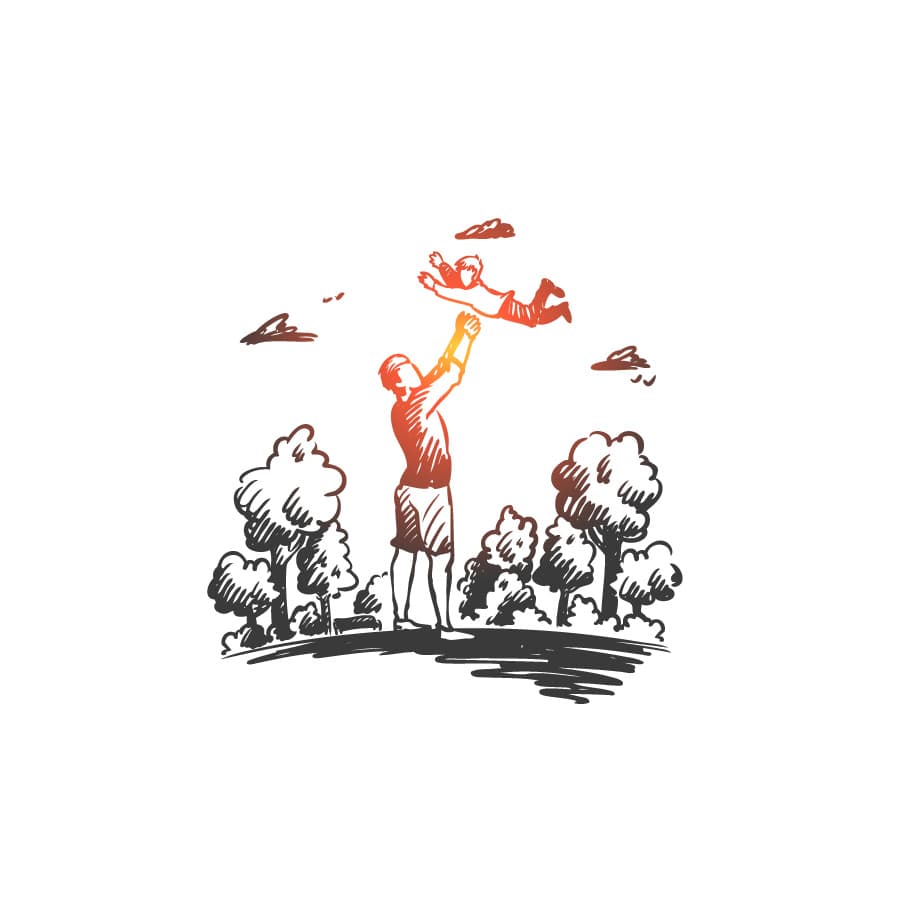
Whenever you are learning something new you are at first a fool. And you are destined to make mistakes. You should do what you can to avoid them, but when they happen, they should be valued, not dismissed. Take joy in being wrong, saying: 'That's wonderful, I was wrong' allows 'can no longer be wrong about this'.
We help each other learn the lesson and then encourage to continue.
Be original, take radical risks
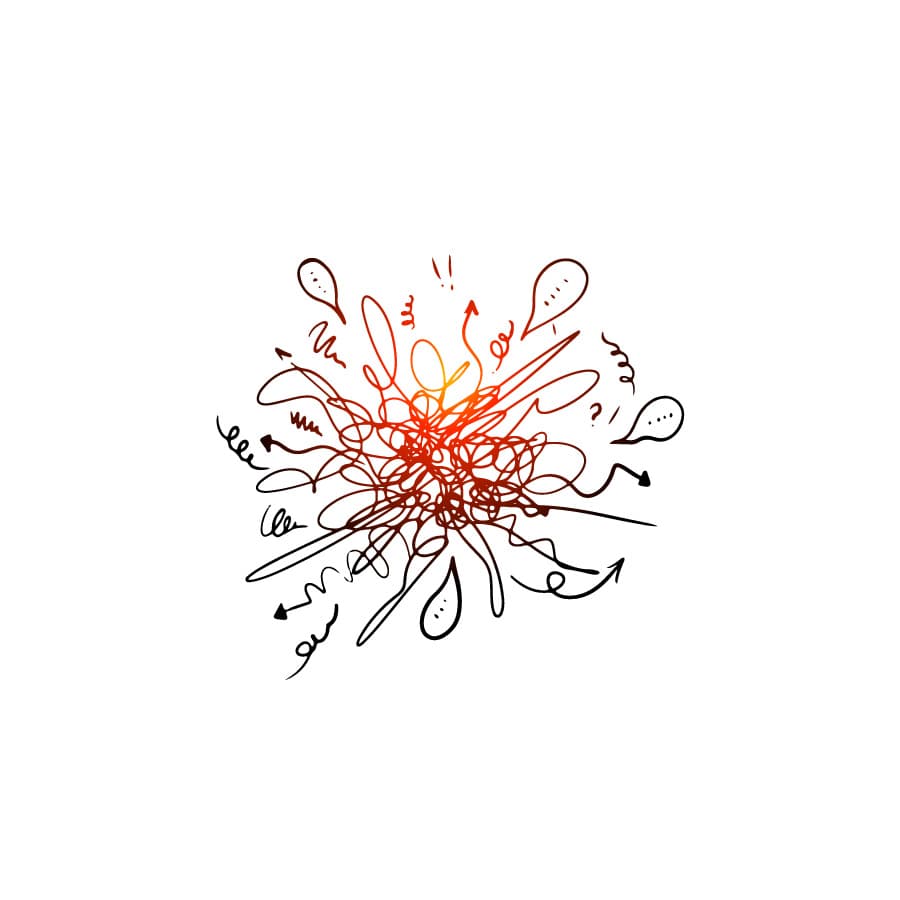
The reasonable man adapts himself to the world; the unreasonable one persists in trying to adapt the world to himself. Therefore all progress depends on the unreasonable man.
– George Bernard Shaw
Whenever you are learning something new you are at first a fool. And you are destined to make mistakes. You should do what you can to avoid them, but when they happen, they should be valued, not dismissed. We help each other learn the lesson and then encourage to continue.
Quiet disagreement
Disagreement is necessary. We value people who can disagree calmly, without raising voice. We choose to attack problems, not people.
Run
When your body is healthy, mind follows.
Time
Spend it wisely.

Eat
Nourish your body.